
What Causes Soapy-Tasting Breast Milk? The Evolving Science Beyond "High Lipase"
- Lactation and Maternal Support of Maryland
- 2 days ago
- 4 min read

If you've ever thawed a bag of frozen breast milk only to notice a soapy, metallic, fishy, or rancid smell, you're not alone.
For years, breastfeeding mothers were commonly told they had "high lipase milk." The explanation seemed straightforward: an enzyme called lipase was breaking down fats in stored milk, creating unpleasant flavors and odors.
But emerging research suggests the story may be more complicated.
While lipase likely plays a role, scientists are increasingly exploring whether oxidation of milk fats—and the loss of protective antioxidants during storage—may contribute significantly to these changes. In other words, what we've traditionally called "high lipase milk" may not always be caused by unusually high lipase activity at all.
Let's explore what we know, what we don't know, and what breastfeeding parents should do when stored milk smells different.
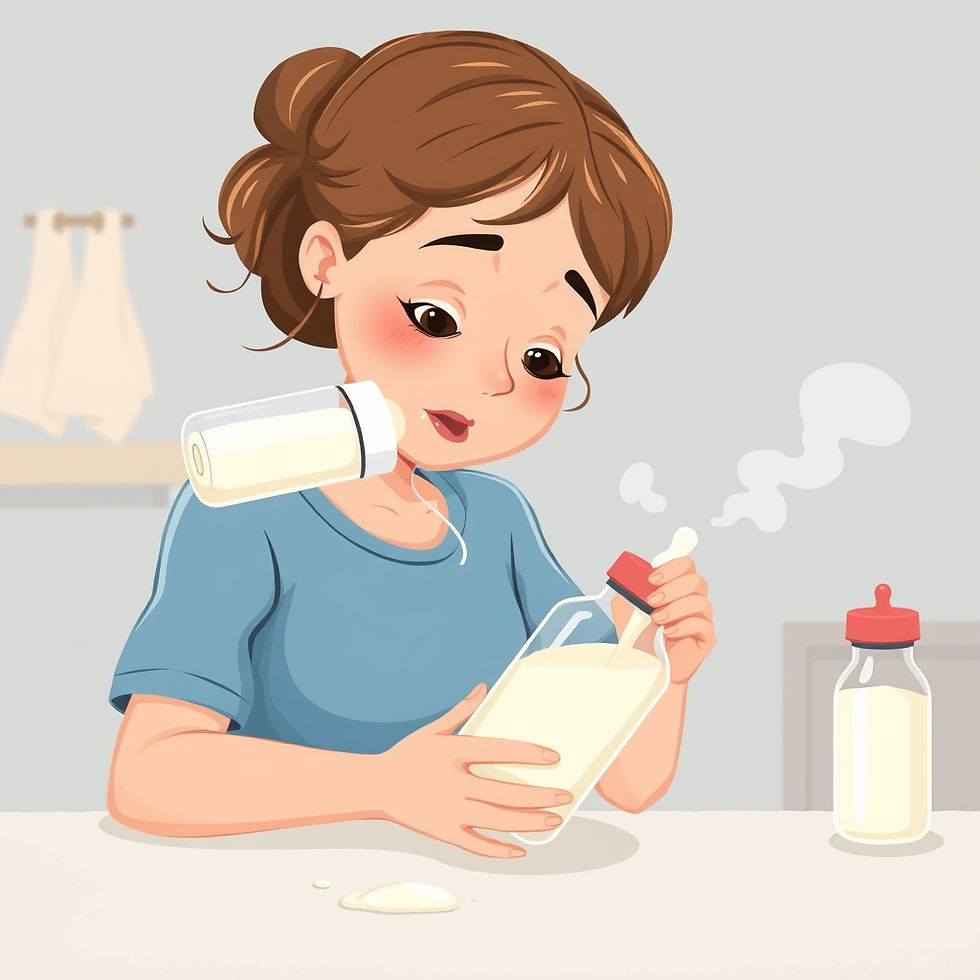
What Exactly Is Lipase?
Lipase is a naturally occurring enzyme found in human milk. Its job is to break down fats into smaller components that babies can more easily digest and absorb.
This is one of the many remarkable ways human milk supports infant nutrition.
Importantly, lipase is not a problem.
Every mother's milk contains lipase, and it serves an important biological function.
For many years, it was believed that some mothers simply produced unusually high levels of lipase, leading to more rapid fat breakdown during storage and resulting in the characteristic "soapy" smell some families notice after refrigeration or freezing.
However, researchers have struggled to consistently demonstrate that mothers experiencing these changes actually have abnormally elevated lipase activity compared with those who do not.
Is "High Lipase Milk" Really a Diagnosis?
Short answer - not exactly.
The term "high lipase milk" has become widely used in breastfeeding communities, but it is not a formal medical diagnosis.
There is currently no standardized clinical test used to diagnose high lipase milk in routine lactation practice.
Instead, the term has traditionally been used to describe milk that develops changes in taste or smell during storage.
Recent research suggests that lipase activity alone may not fully explain these changes.
This has led scientists to investigate other mechanisms, including oxidation.

The Role of Oxidation
Oxidation occurs when fats are exposed to oxygen and begin to break down.
Many foods become rancid through oxidative processes. A great example is when an avocado is left open to air and turns from green to brown.
Human milk contains delicate fats that are particularly vulnerable to oxidation under certain conditions.
Several factors may contribute to oxidation, including:
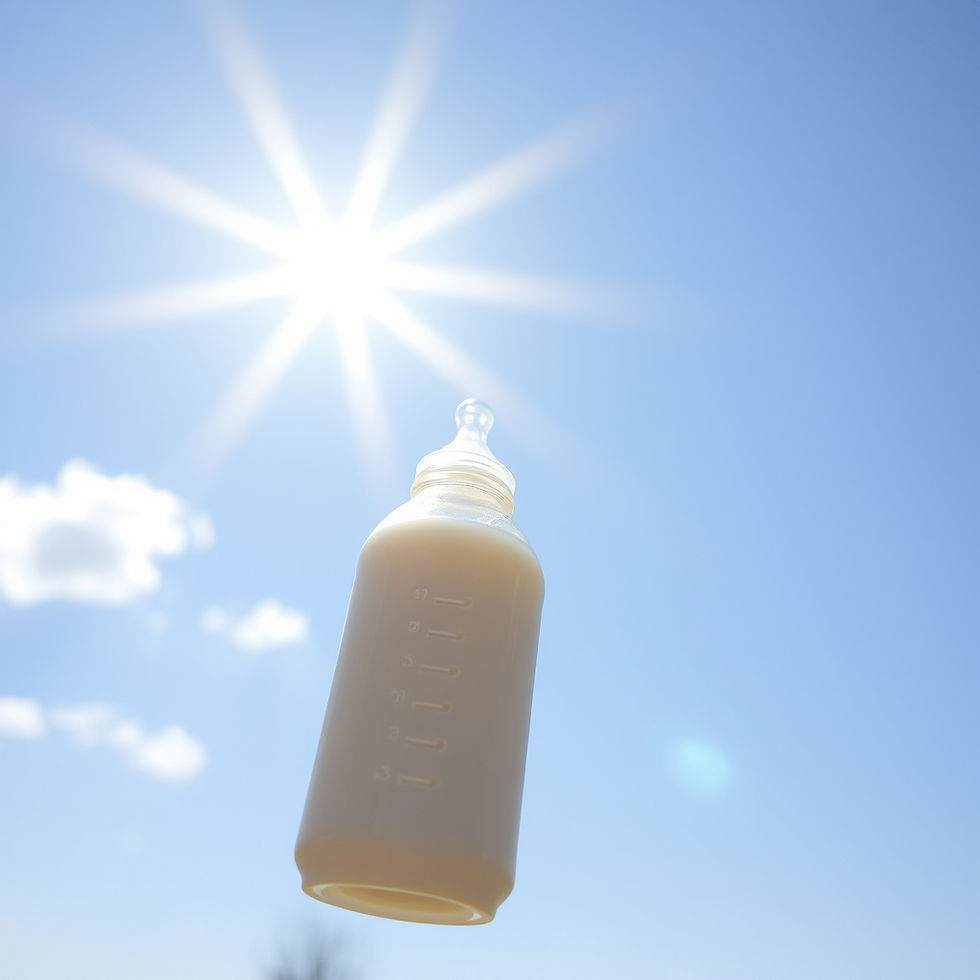
Exposure to light
Exposure to air
Storage temperature
Length of storage
Repeated warming and cooling cycles
Depletion of natural antioxidants
As oxidation occurs, flavor compounds can develop that alter the smell and taste of stored milk.
These changes may be perceived as:
Soapy
Metallic
Fishy
Sour
Rancid
Importantly, these odors do not necessarily indicate that the milk is unsafe.
What About Vitamins and Antioxidants?
Human milk contains natural antioxidants that help protect fats from oxidative damage.
These include compounds such as:
Vitamin C
B Vitamins
Vitamin D
Vitamin E
Carotenoids
Various antioxidant enzymes
and more
Research has shown that some of these protective compounds decline over time during storage.
Exposure to light may accelerate the degradation of certain vitamins and antioxidants.
As antioxidant protection decreases, fats may become more susceptible to oxidation, potentially contributing to changes in flavor and odor.
While researchers are still investigating the exact mechanisms, many experts now believe that oxidation deserves greater attention when discussing so-called "high lipase" milk.
Does Soapy-Smelling Milk Mean It's Bad?
Not necessarily - a change in smell does not automatically mean your milk has spoiled.
Breast milk can undergo normal biochemical changes during storage while remaining safe for infant consumption.
The most important question is often:
"Will my baby drink it?"
Many babies readily accept milk that smells different after storage.
Others may refuse it due to the altered taste.
If your baby accepts the milk and it has been stored according to recommended guidelines, it is generally considered safe to use.
Should You Scald Your Milk?
Historically, mothers who noticed flavor changes were often advised to scald freshly expressed milk before freezing, because scalding can deactivate lipase activity.
However, scalding also alters certain beneficial components of breast milk and adds another step to an already demanding feeding routine.
Before committing to scalding all expressed milk, consider:
Whether your baby actually rejects the milk
Whether flavor changes occur consistently
Whether adjusting storage methods improves the problem
Many parents discover their baby drinks the milk without issue.
Tips to Minimize Flavor Changes During Storage
If you've noticed changes in stored milk, consider these strategies:
Store Milk Promptly
Refrigerate or freeze milk as soon as possible after expression.
Minimize Light Exposure
Store milk in opaque containers or in areas of the refrigerator or freezer that are less exposed to light. Further, wrap the bottle in something that keeps light out of the container, such as tin foil.
Limit Air Exposure
Use appropriately sized storage containers to reduce excess air space.
Follow Recommended Storage Guidelines
Avoid keeping milk refrigerated or frozen longer than necessary.
Freeze Quickly
Rapid freezing may help preserve milk quality.
The Bottom Line:
Emerging evidence suggests that oxidation of milk fats, combined with changes in antioxidant protection during storage, may play an important role in the flavor changes many families observe.
The science is still evolving, but one thing is clear: a different smell does not automatically mean your milk is unsafe, and many babies continue to drink stored milk without any problems.
If you're concerned about changes in your stored breast milk, a lactation professional can help you determine whether modifications to storage practices are needed—and whether your baby is actually affected by the taste changes.
This blog post is for educational purposes only and should not replace individualized medical advice. Always speak with your healthcare provider regarding diagnosis, treatment, and breastfeeding concerns.
Virtual lactation and maternal support visits are available throughout Maryland. We provide breastfeeding support, maternal health evaluation, and perinatal mental health care.


Comments