
Breastfeeding Nutrition: What Your Body Really Needs to Make Milk
One of the first questions I hear from new mothers is:
“What should I eat to increase my milk supply?”
The internet is full of oatmeal cookies, lactation teas, and "miracle" supplements promising more milk.
But here’s what the research supports:
Your body doesn’t need one magical food.
It needs enough energy (calories), enough protein, healthy fats, hydration, and key nutrients to support one of the most metabolically demanding jobs you’ll ever do.
Let’s break down what actually matters. Let's Dive In -
1. Calories:
Milk Production Requires Energy
Making breast milk burns approximately 330–400 additional calories each day for most exclusively breastfeeding mothers.
Trying to aggressively lose weight in the early postpartum period may reduce available energy, especially if you’re already under stress, sleep deprived, or eating very little.
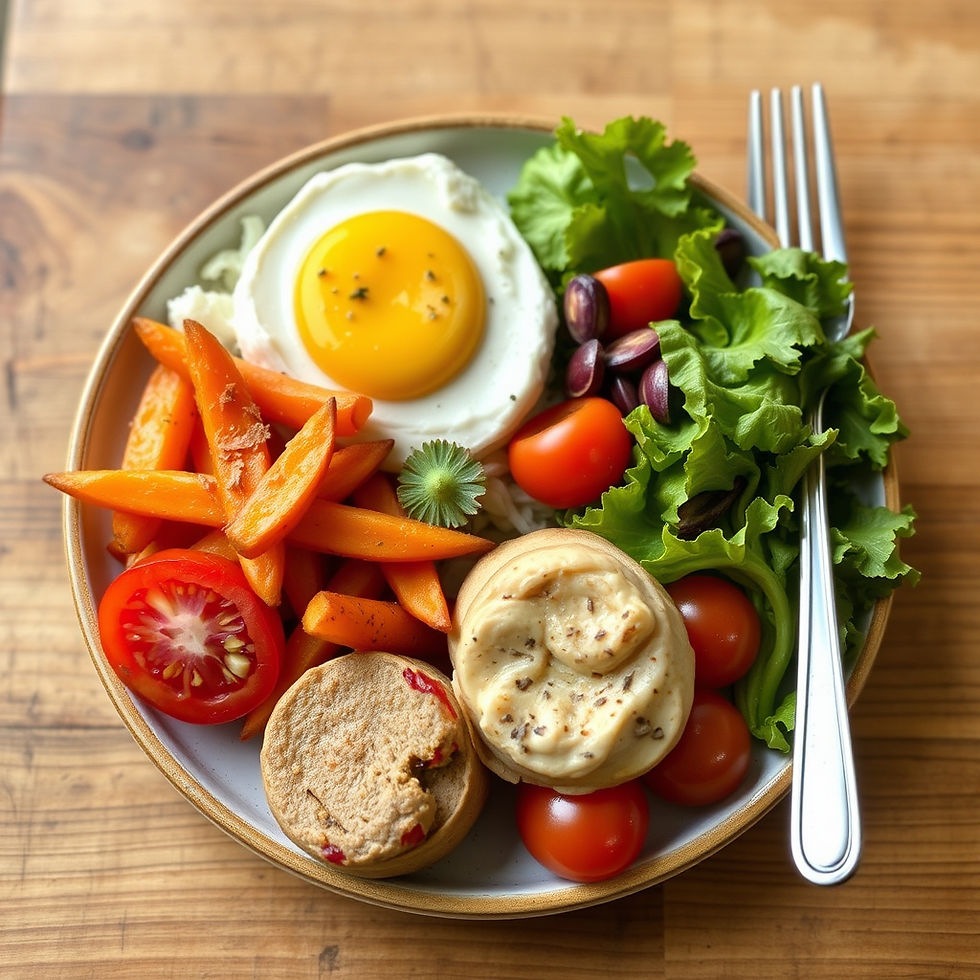
Rather than focusing on dieting, focus on nourishing your body with whole foods.
Think:
colorful fruits
vegetables
lean proteins
whole grains
healthy fats
Further, Lactation and Maternal Support of Maryland can work with you to calculate your specific calorie requirements when breastfeeding
2. Protein:
The Building Blocks of Recovery and Milk Production

Protein supports:
tissue healing after birth
maternal muscle preservation
immune function
hormone production
breast milk synthesis
Many breastfeeding women eat far less protein than they realize.
Generally, most women will want to aim for approximately 80–120 grams of protein daily!!!
Great choices include:
eggs
chicken
turkey
salmon
tuna (within recommended limits due to mercury)
Greek yogurt (if tolerated)
tofu
lentils
beans
cottage cheese
nuts and seeds
shakes
bars
smoothies with protein powder
It may be helpful to aim to include 10-20 grams of protein every time you eat.
3. Healthy Fats Matter
Breast milk naturally contains fat, and believe it or not, maternal nutrition influences certain fatty acids found in milk.

Focus on anti-inflammatory fats such as:
salmon
walnuts, or other nuts
chia seeds
flaxseed
seeds
avocados
olive oil
Omega-3 fatty acids—particularly DHA—support infant brain and eye development while also supporting maternal health.
4. Hydration
Drink to thirst (aim for approximately 8-12 ounces/day), and keep fluids nearby while feeding.

Signs you’re adequately hydrated include:
pale yellow urine
normal energy
minimal dizziness
normal thirst
Drinking excessive amounts of water has not been shown to significantly increase milk supply and, in rare cases, excessive water intake can even dilute electrolytes.
5. Anti-Inflammatory Foods Support Recovery
Eating foods rich in antioxidants and phytonutrients may support healing.
Fill your plate with:
Berries
Leafy greens
Citrus
Orange vegetables
Blue and purple fruits
Nuts
Herbs and spices like turmeric and ginger
The goal is variety. Aiming to "eat the rainbow" can be a helpful tactic.
6. What About Galactagogues?
Galactagogues are foods, herbs, or medications believed to increase milk supply.
Common examples include:
oatmeal
brewer’s yeast
fenugreek
moringa
goat’s rue
blessed thistle

Here’s the important part: The evidence is mixed.
Some mothers notice improvement. Many notice no difference.
And herbs are not without risk.
Certain galactagogues can interact with medications or worsen medical conditions.
If milk supply is low, it’s important to identify the underlying cause, and work with a specialist, rather than simply adding supplements.
Common causes may include:
ineffective milk removal
shallow latch
infrequent feeding
maternal thyroid disorders
iron deficiency
retained placental tissue
hormonal conditions
insufficient glandular tissue
Supplements should never replace a thorough evaluation or individualized medical advice.
7. Nutrition Is Only One Piece of the Supply Puzzle

Nutrition matters, but so does a holistic approach that considers
Frequent milk removal
Effective latch
Maternal sleep
Maternal mood
Stress management
Maternal anatomy and physiology
Maternal medical conditions
And more
There is rarely one single answer to low milk supply.



Comments